
Can You Stay in Your Home During Mold Remediation?
The crew is coming, the plastic sheeting is going up, and the first question is the simplest one: do we have to leave? Here is how to decide.
Read the guide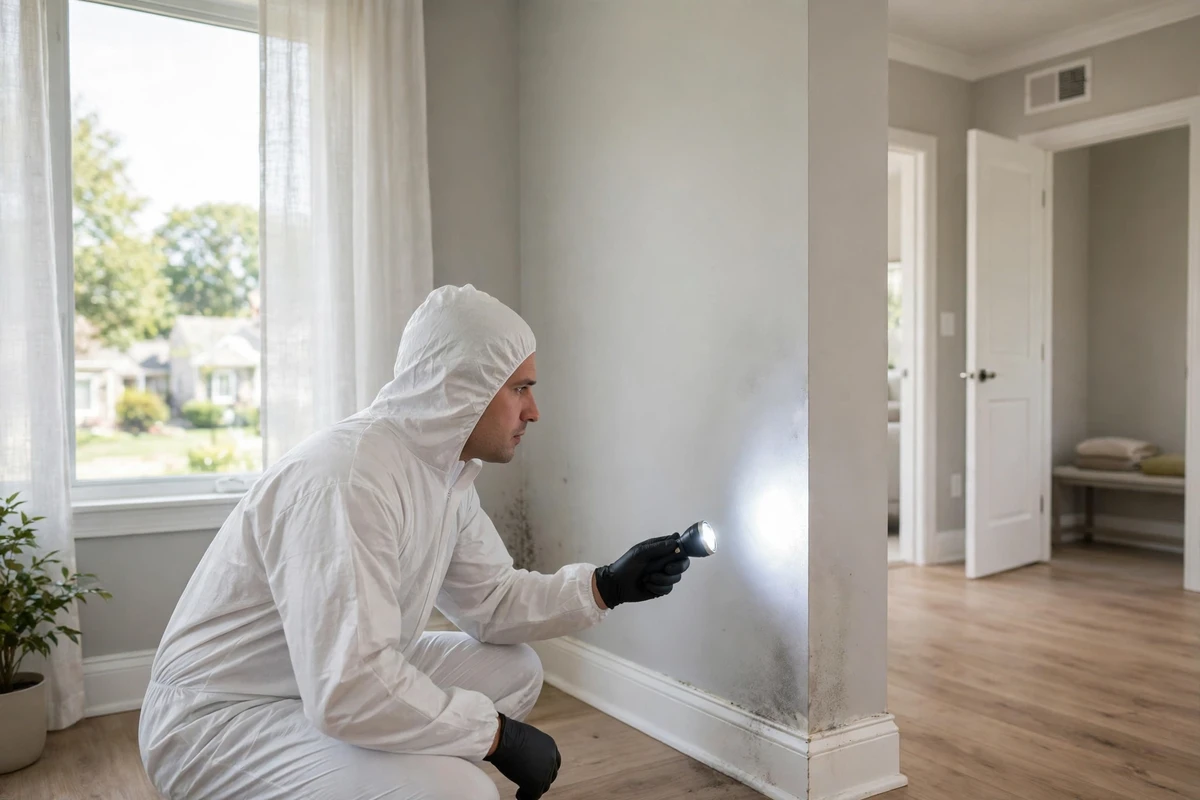
Practical local guides for Mold Remediation in Newark. The blog gathers plain-language guides that help Newark-area homeowners spot mold, judge what it means, and decide what to do next. Posts cover winter condensation, rentals, home inspections, mold-resistant paint, hidden wall mold, insurance, basements, clearance tests, crawl spaces, ducts, grout, attics, dry ice blasting, hiring help, air quality, timelines, floods, musty smells, and inspection versus testing. A thorough visit usually brings its own equipment: moisture meters to trace damp, air scrubbers and HEPA vacuums to capture spores, and dehumidifiers to dry the space.
The crew is coming, the plastic sheeting is going up, and the first question is the simplest one: do we have to leave? Here is how to decide.
Read the guide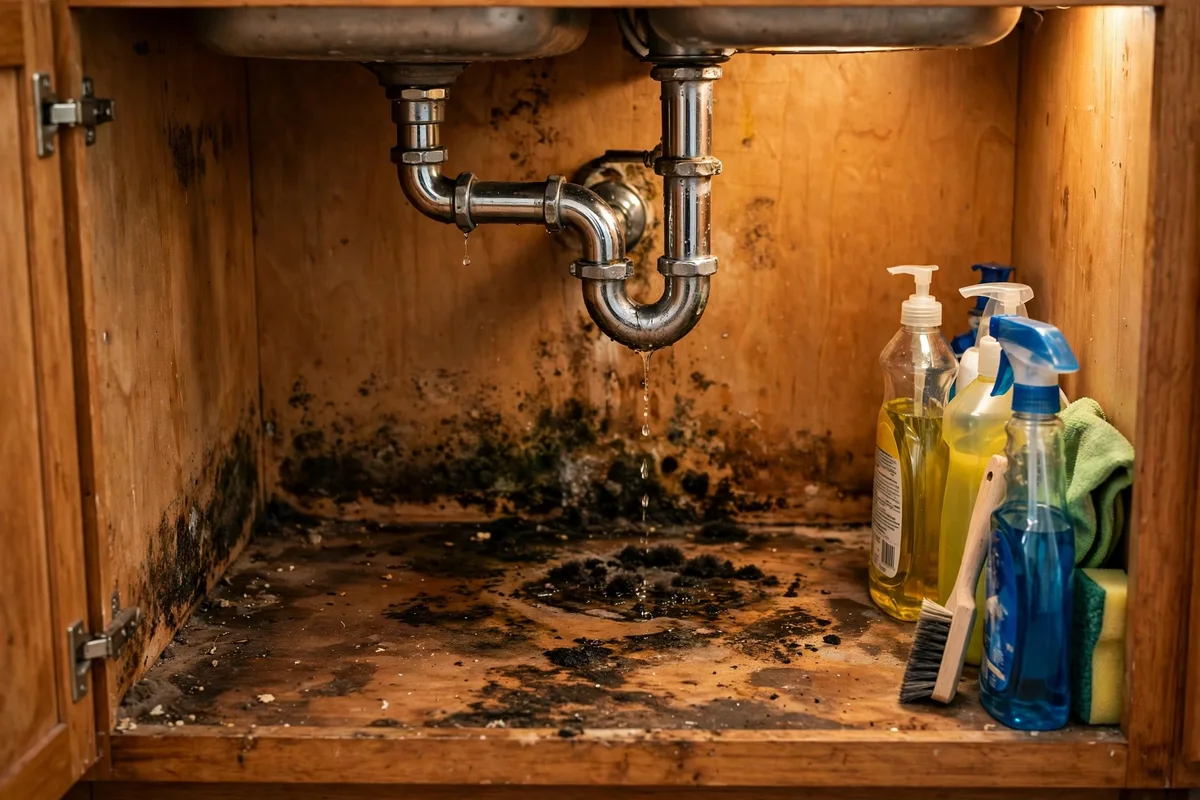
A slow drip under the sink or a dishwasher hose working loose can keep a kitchen damp for months. Here is where it hides and what to do about it.
Read the guide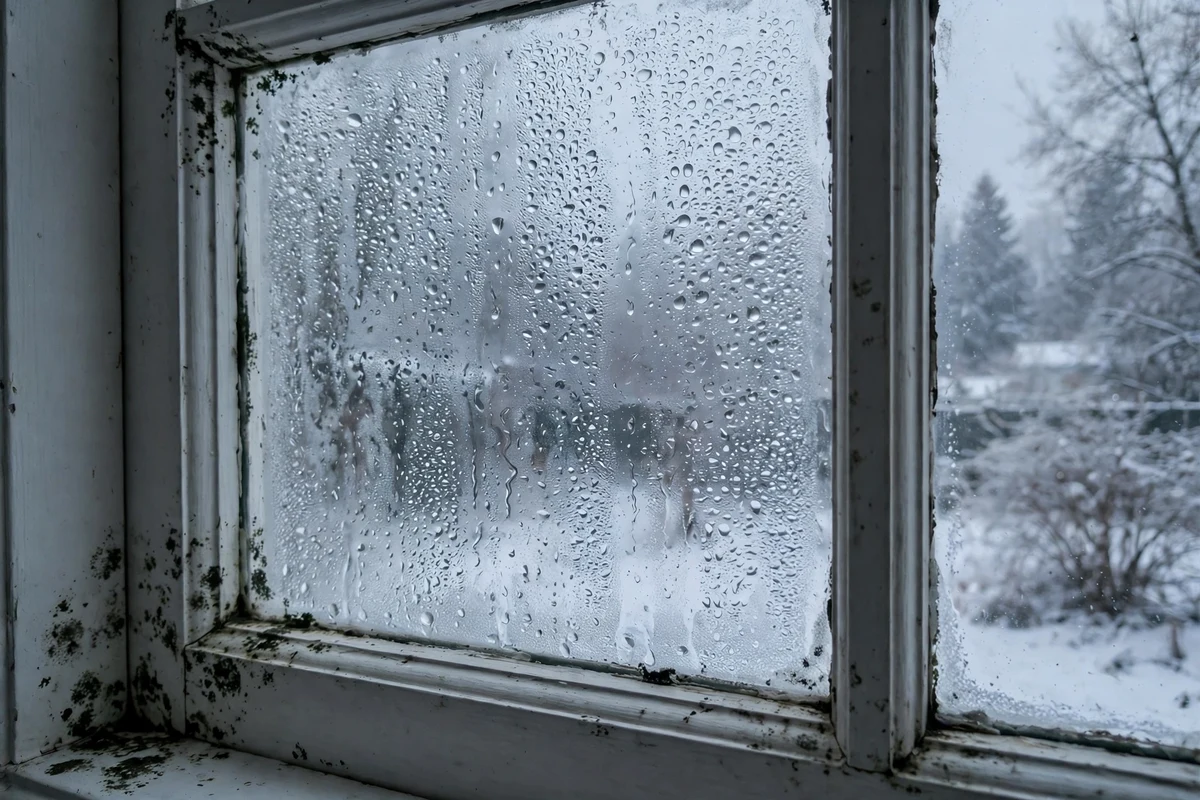
Every fall, the calls start. Musty closets, black spots on window frames, that damp smell in the bedroom. Here's why winter brings mold, and what actually stops it.
Read the guide
You found mold in your apartment. Your landlord says it's your fault. You're not sure. Here's what New Jersey actually expects from each side, and what to do next.
Read the guide
You're under contract, excited about the house, then the inspection report lands with the word 'mold' in it. Take a breath. Here's how to think about it clearly.
Read the guide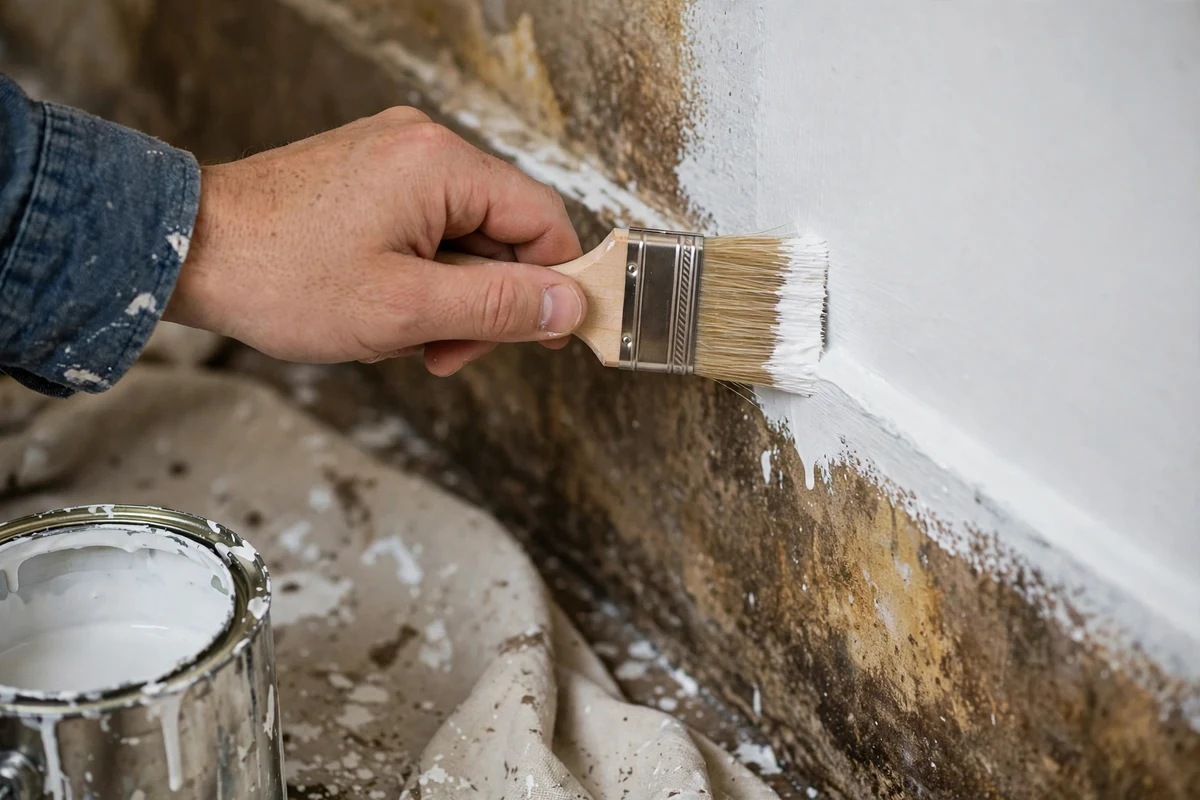
It's the question behind half the DIY mold jobs we see: can't I just paint over it? Here's what mold-resistant products really do, and what they can't.
Read the guideThe mold you can see is rarely the whole story. Here's how to tell what's happening inside your walls, using your senses, simple tools, and a few pro tricks.
Read the guideRead how mold remediation work in New Jersey takes shape, which factors matter, and how to plan ahead.
Read the guideRead whether homeowners insurance in NJ covers mold removal and remediation, and how Newark specifics fit in.
Read the guideRead the signs of black mold in basements, and when to seek professional help in Newark.
Read the guideDiscover effective strategies to pass a mold remediation clearance test in Newark and ensure your home is mold-free.
Read the guideDiscover essential information about crawl space encapsulation, including benefits, processes, and tips specifically for Newark homeowners.
Read the guideLearn how HVAC air duct cleaning affects black mold removal in Newark. Explore its effectiveness and when to seek professional help.
Read the guideDiscover effective methods to clean mold from bathroom grout without harming your tiles. Get expert tips tailored for Newark residents.
Read the guideExplore the top causes of hidden attic mold in Newark homes and learn prevention tips to keep your attic safe.
Read the guideExplore the effectiveness of dry ice blasting for structural mold removal in Newark, NJ, and its advantages over traditional methods.
Read the guideDiscover essential tips for selecting a certified mold remediation company in Newark to effectively tackle mold issues.
Read the guideLearn to identify signs of mold toxicity and poor indoor air quality in Newark, NJ, and improve your home environment.
Read the guideLearn about the duration of professional mold remediation in Newark, including factors that affect the timeline and what to expect.
Read the guideDiscover essential steps to take immediately after a basement flood in Newark to prevent mold growth and ensure a safe environment.
Read the guideDiscover effective methods for eliminating musty smells in your Newark basement, ensuring a healthier home environment.
Read the guideUnderstand the key differences between mold inspection and mold testing in Newark, NJ, and when to use each service effectively.
Read the guideEvery guide here starts from something a Newark homeowner actually ran into: a musty smell that will not quit, black spots on a window frame, a home inspection report with the word mold in it, or a question about insurance. Pick the guide that matches your situation and it will tell you what to check, what it usually means, and what to do next.
The guides also draw a clear line between what you can check yourself and what needs a crew. A small patch on tile is one thing; growth inside a wall, in ductwork, or across a basement is another. If you are not sure which side you are on, a mold inspection will tell you, and clearance testing confirms the work is done when it is.
Newark’s older housing shapes most of these problems: brick rowhouses, basement apartments, and pre-war buildings that were built before anyone thought about vapor barriers. The guides are written for those homes, not for houses in general, so the advice fits the building you actually live in.
Call a professional when growth covers a wide area, keeps coming back after cleaning, sits inside walls or ductwork, or follows a flood or long leak. A musty smell that will not quit is another sign the growth sits somewhere you cannot see. Small surface spots on hard, non-porous materials are the only growth most homeowners can safely handle on their own.
Leave it alone and find the moisture feeding it: a leak, seepage, condensation, or humidity that stays high. Do not scrub dry growth or run a fan across it, since that spreads spores through the air. Take a photo, note where the dampness comes from, and get an inspection if the patch is large, hidden, or keeps returning.
A small patch on tile, glass, or another hard surface can be cleaned with soap and water while wearing gloves and a mask, as long as the area dries fully afterward. Porous materials like drywall, insulation, and carpet usually need removal, not cleaning, and growth inside walls, attics, crawl spaces, or ductwork calls for a professional crew with containment and proper equipment.
Mold can start growing within a day or two of water reaching a surface, which is why fast drying matters so much after a flood or leak. Pull standing water out, get air moving, and run a dehumidifier while the space dries. If walls, floors, or insulation stayed wet for more than a couple of days, have the area checked before you close it back up.
It depends on your policy and what caused the moisture. Damage from a sudden covered event, like a burst pipe, is treated differently from mold that grew over months of neglect. Read your policy, document the damage with photos, and report the problem promptly so your insurer can tell you what your coverage includes.
The questions below cover the mold problems Newark homeowners run into most: what to do first, when to call a professional, and how growth gets started.
Ask the local teamThe CDC's mold and health resource explains the health reasons for addressing mold growth.