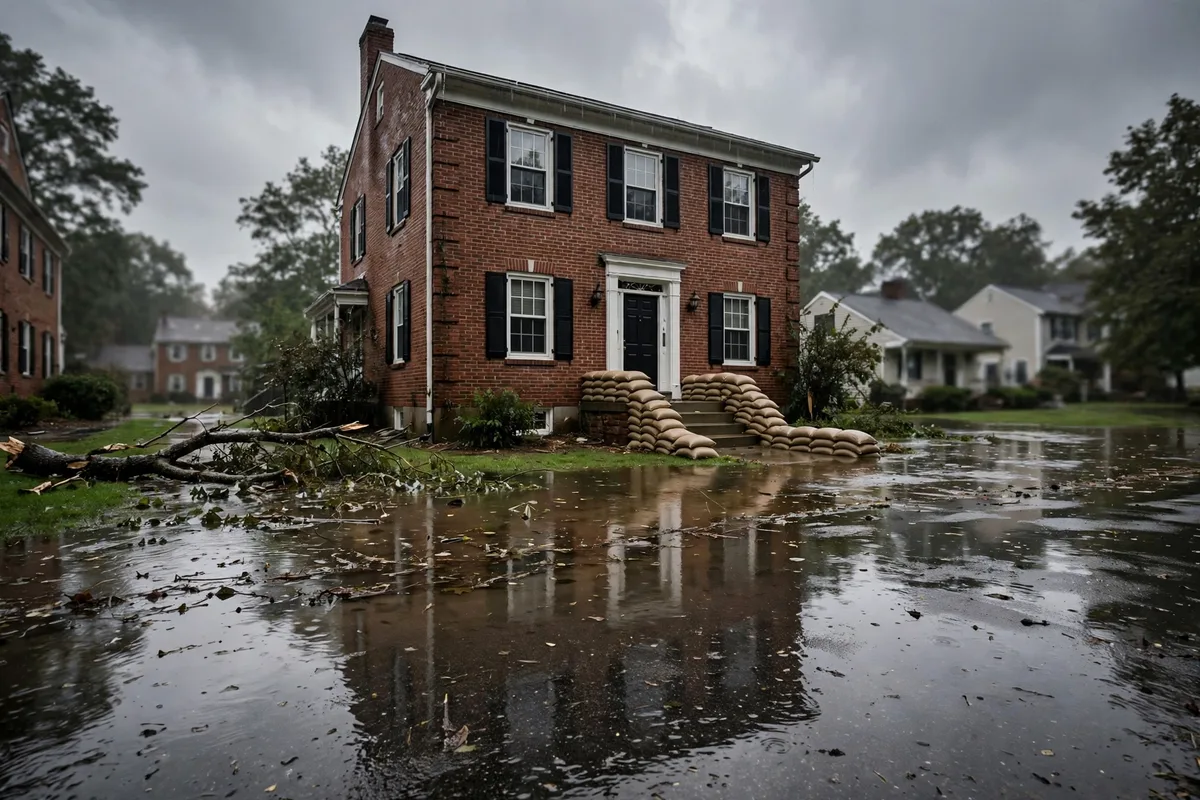
What to Do Immediately After a Basement Flood to Prevent Mold
After a basement flood, fast action in the first day or two decides whether mold takes hold. Once the area is safe and electricity is off, remove standing water, open windows and doors for airflow, run fans and dehumidifiers, and pull out wet furniture, carpets, and belongings; inspect walls, floors, and foundation for damage, and keep humidity below sixty percent.
After a basement flood, taking swift action is important to prevent mold growth. The first steps involve removing water and moisture quickly to minimize the risk of mold. Acting fast, drying thoroughly, and watching for the signs that need a professional are what keep a flood from turning into a mold problem in Newark.
What to Do Immediately After a Basement Flood is a critical concern for homeowners, especially in areas like Newark where basements are common. The steps you take in the first 24 to 48 hours can significantly affect whether mold will develop.
Immediate Actions After a Basement Flood
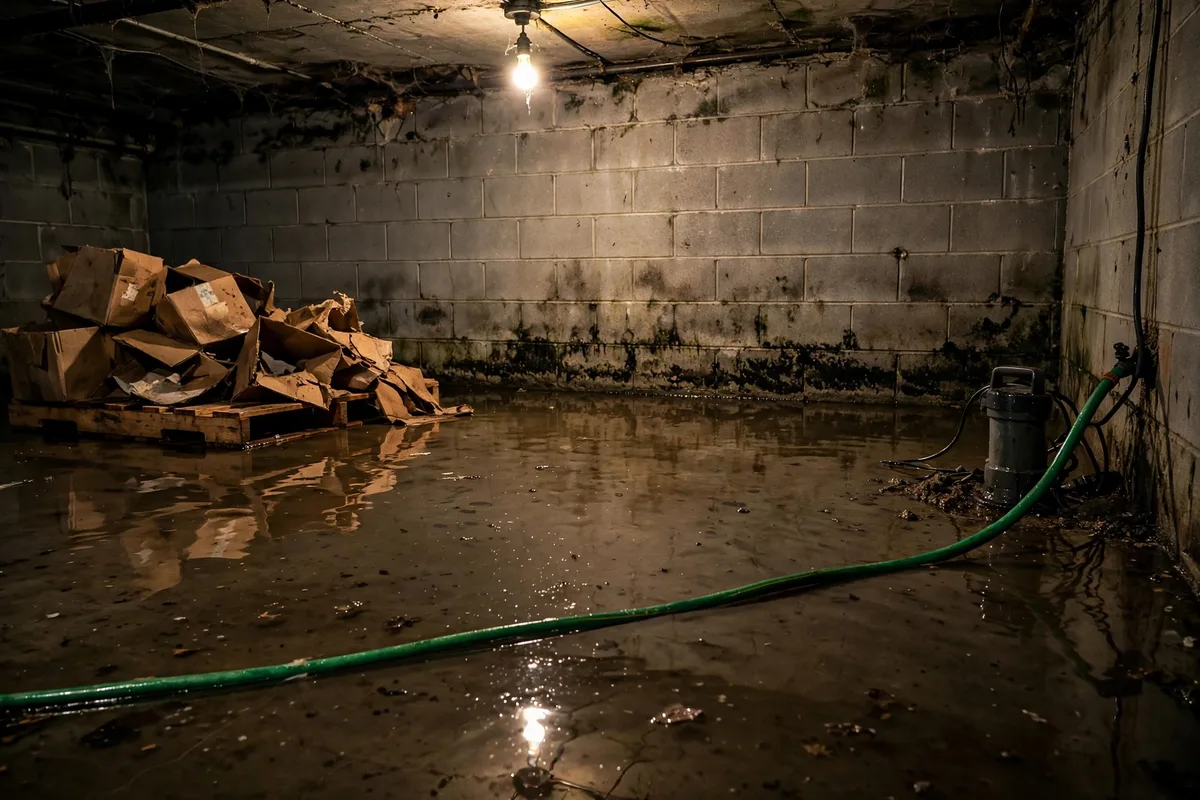
When your basement floods, the first thing you should do is ensure your safety. Turn off the electricity to avoid electrocution and evacuate the area if water is deep. Once it's safe, follow these steps:
- Remove Standing Water: Use a sump pump or wet vacuum to remove standing water. If you don't have these tools, consider renting them from a local hardware store.
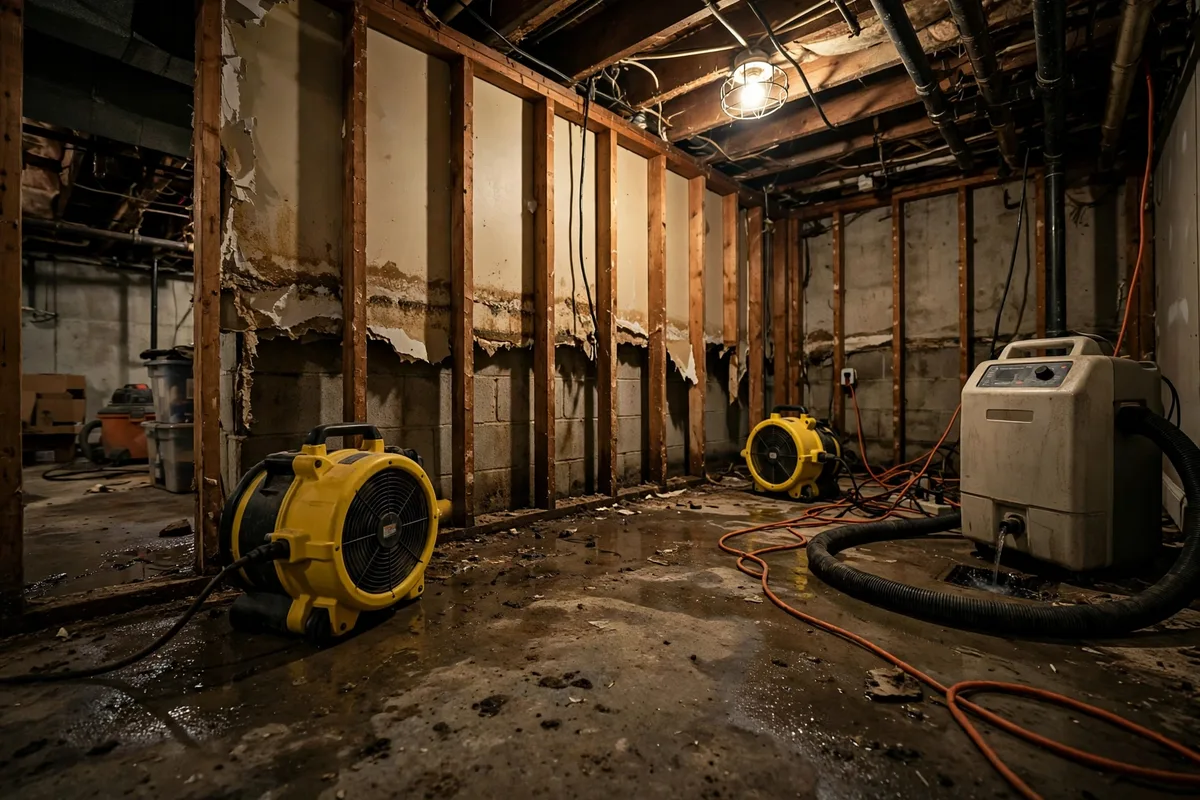
- Dry Out the Area: Open windows and doors to promote airflow. Use fans and dehumidifiers to help speed up the drying process.
- Remove Wet Items: Take out any wet furniture, carpets, and personal belongings. These items can trap moisture and promote mold growth.
- Inspect for Damage: Check walls, floors, and the foundation for damage. Look for signs of mold or mildew, which can start to appear within 24-48 hours.
In Newark, where humidity levels can rise, these actions are vital to prevent Water Damage Mold Removal Newark NJ needs later on.
How to Prevent Mold After Flooding
To effectively prevent mold growth after a flood, you need to continue addressing moisture levels. Here are some tips to follow:
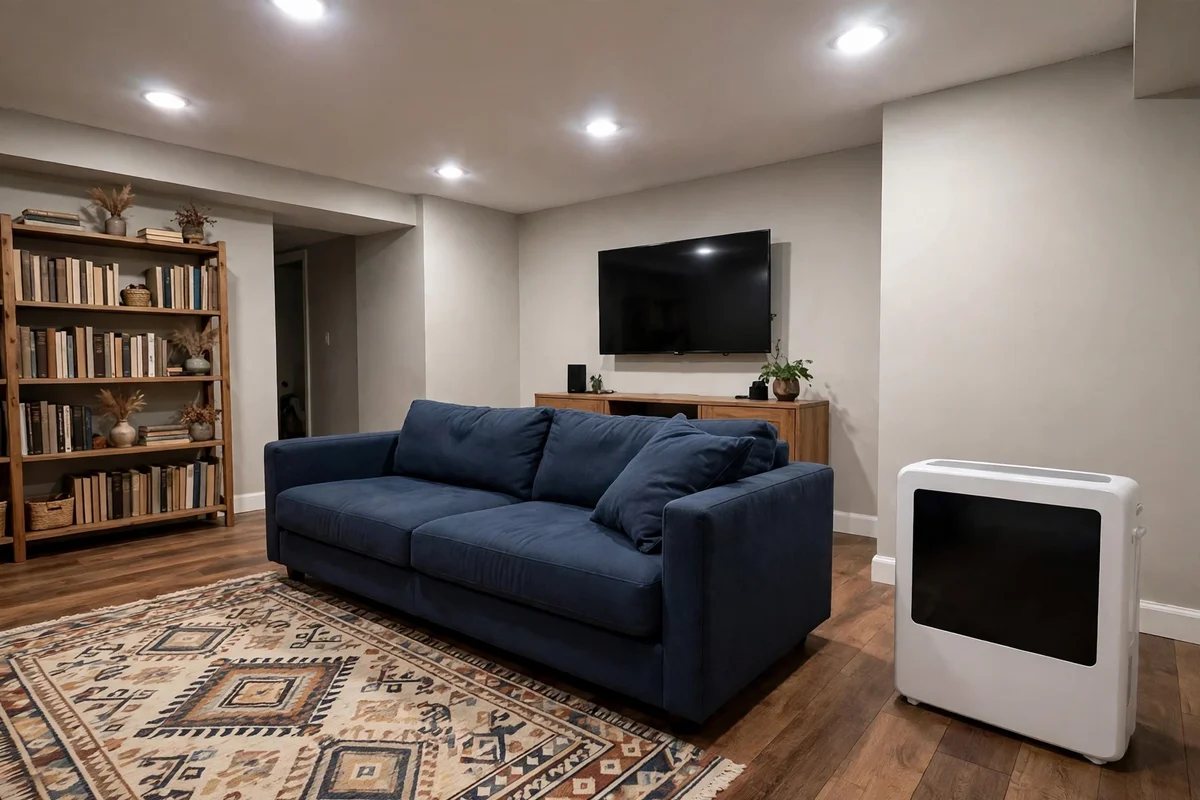
- Maintain Low Humidity: Keep indoor humidity below 60% using dehumidifiers. This is especially important in basements that are prone to dampness.
- Use Mold-Resistant Products: If you need to replace drywall or insulation, opt for mold-resistant materials.
- Regular Inspections: Conduct regular inspections of your basement to catch any signs of moisture or mold early.
- Professional Mold Inspection: Consider hiring a professional for a Mold Inspection & Testing Newark NJ after significant flooding to ensure your home is safe.
Implementing these Mold prevention tips for flooded basements Newark can save you from costly remediation later.
Common Mistakes to Avoid
After a flood, homeowners often make mistakes that can exacerbate mold issues. Here are some common pitfalls to avoid:
- Delaying Cleanup: Procrastination can lead to mold growth. Start cleaning up as soon as it's safe.
- Ignoring Small Leaks: Small leaks can lead to bigger problems. Address any leaks immediately to prevent future flooding.
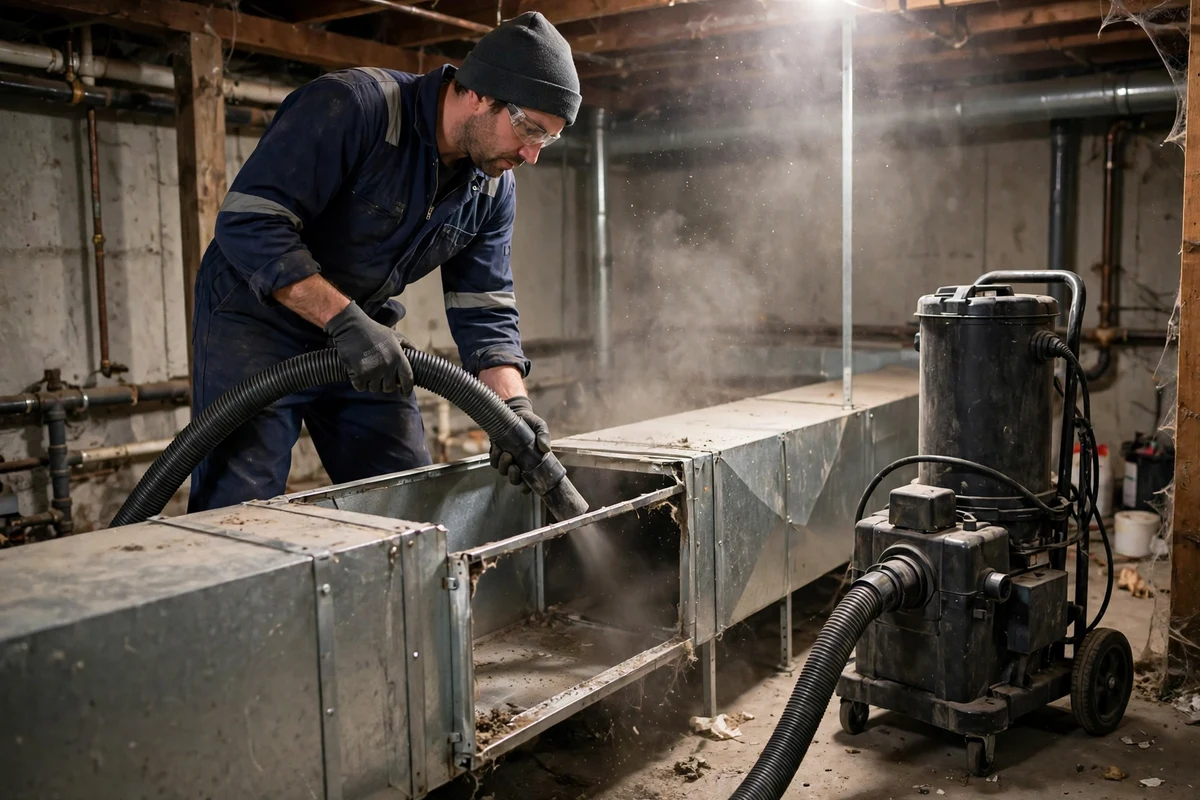
- Not Using Protective Gear: Mold spores can be harmful. Always wear gloves, masks, and goggles when cleaning.
- Assuming All Mold is Visible: Mold can grow in hidden places. If you suspect mold, consult professionals.
When Flood Damage Is More Than You Can Dry Out
If you notice extensive water damage or mold growth, it's time to call in the experts. Elite Mold Experts specializes in Emergency Mold Removal Newark NJ and can provide the necessary services to ensure your home is safe.
Get Help with Mold Remediation in Newark
Don't let mold take hold after a basement flood. Contact us for expert Mold Remediation in Newark. Call us at (973) 400-5618 for immediate assistance.
Bayonne, Jersey City, and Secaucus homeowners face this pattern regularly, and each city page covers its local side.
After a flood, the schedule for drying and checking the basement depends on how much water entered, which rooms were affected, and whether the walls and floors need days of running air movers and dehumidifiers.