Why Mold Spikes in NJ Homes Every Winter (And How to Stop It)
Every fall, the calls start. Musty closets, black spots on window frames, that damp smell in the bedroom. Here's why winter brings mold — and what actually stops it.
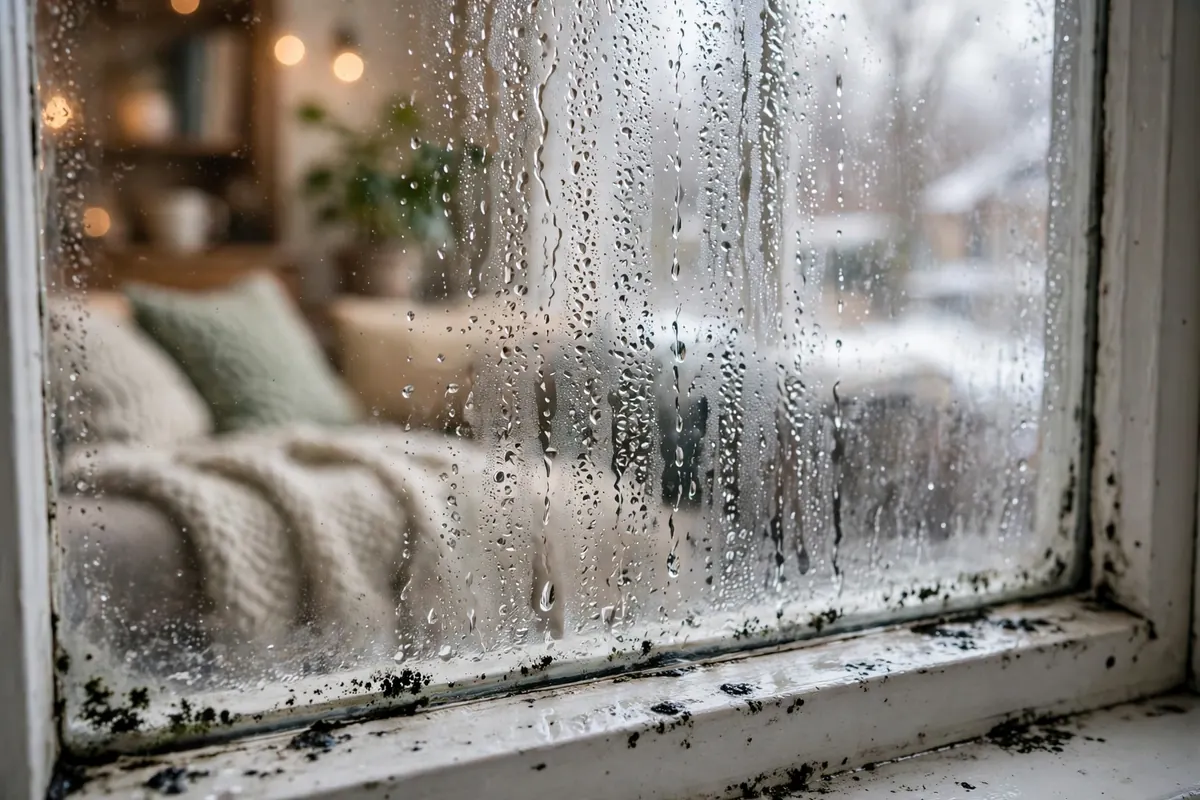
There's a pattern we see every year. October rolls around, the heat kicks on, and within a few weeks the phone starts ringing. Black spots on window sills. A musty smell in the guest bedroom. Mold blooming in a closet that was fine all summer.
It's not a coincidence. Winter creates the perfect conditions for mold in New Jersey homes — and most of it comes down to one thing: condensation.
Why Winter Is Mold Season in New Jersey
Mold needs three things: moisture, warmth, and something to eat. Your home has the warmth (you're heating it) and the food (drywall, wood, dust). Winter supplies the moisture — not from rain or floods, but from the air itself.
Cold air outside meets warm, humid air inside. Wherever those two meet on a cold surface, water condenses out of the air. That thin film of moisture on a window frame or an exterior wall is all mold needs to get started. Give it a few weeks of cold weather and you've got growth.
Older NJ homes — the colonials, capes, and split-levels all over Essex and Union counties — are especially prone. Less insulation means colder wall surfaces, which means more condensation.
Condensation in Plain English
Here's the simple version. Warm air holds more moisture than cold air. Your home's warm air picks up moisture all day: showers, cooking, breathing, laundry, even houseplants.
When that moisture-loaded air touches a cold surface — a single-pane window, a poorly insulated exterior wall, the inside of an attic — it cools down fast and can't hold the moisture anymore. The water has to go somewhere, so it beads up on the surface.
One damp morning won't hurt. But when it happens every night for three months, that surface stays damp long enough for mold spores (which are always floating around) to settle in and grow.
The 5 Spots to Check First
If you want to get ahead of winter mold, check these places now:
- Window frames and sills. The #1 spot. Wipe condensation off windows on cold mornings — don't let it sit.
- Closets on exterior walls. Clothes block airflow, the wall behind them stays cold, and you won't notice mold until spring.
- Behind furniture against outside walls. Same idea as closets. Pull beds and dressers a few inches off exterior walls.
- The attic. Warm air leaking up from the house meets the cold roof deck. Check for frost or damp sheathing.
- Bathroom ceilings and corners. Short showers + no fan + cold walls = winter mold trifecta.
Thermostat Habits That Cause Mold
This one's counterintuitive. Turning the heat way down at night or while you're at work saves money but can cause mold. When walls get cold, condensation forms more easily — especially in rooms you don't heat much, like spare bedrooms.
You're better off keeping a steady, moderate temperature (around 65-68°F) than swinging between 58 and 72. The constant cold-warm cycle is what drives condensation. If you've got rooms you keep closed off, either heat them or keep their doors open so warm air circulates.
Ventilation Fixes That Actually Work
You can't stop making moisture — you live in the house. But you can get it out before it condenses:
- Run bathroom fans during showers and 20 minutes after. If your fan sounds like a jet engine from 1985, replace it. A quiet modern fan you'll actually use beats a loud one you avoid.
- Use the range hood when cooking. Boiling pasta puts pints of water into the air. Vent it outside, not into the attic.
- Don't dry clothes on indoor racks unless the room is ventilated. A single load can release gallons of moisture.
- Crack a window in rooms that feel stuffy, even for 10 minutes. Fresh air exchange drops humidity fast.
A whole-home dehumidifier tied into your HVAC is the set-it-and-forget-it option — it keeps indoor humidity in the 30-50% range all winter without you thinking about it.
When Condensation Signals a Bigger Problem
Some condensation is normal. But call someone if you see:
- Water running down windows or walls (not just fog)
- Mold returning in the same spot after you clean it
- A musty smell you can't find the source of
- Peeling paint or bubbling drywall on exterior walls
These can mean missing insulation, air leaks, or a ventilation problem that needs more than a wiped windowsill. That's when a professional inspection pays for itself — we find the actual moisture path instead of guessing.