Signs of Mold Toxicity and Poor Indoor Air Quality
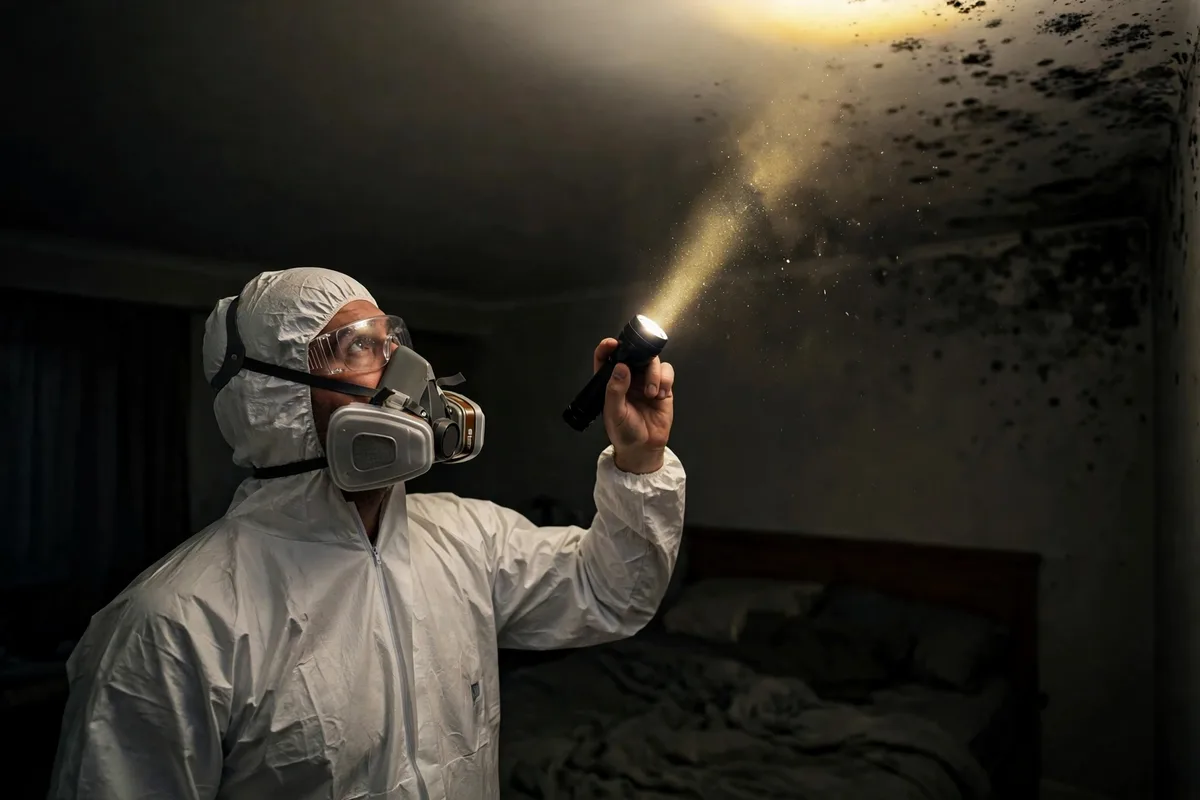
Mold toxicity and poor indoor air quality often show up as respiratory problems, skin irritation, headaches, fatigue, and a persistent cough. Newark homes with basements, humidity, and weak ventilation face higher risk, since moisture buildup feeds mold growth; improve ventilation, run a dehumidifier, and arrange inspection and testing to find the root cause before symptoms linger.
Mold toxicity and poor indoor air quality can lead to serious health issues. Recognizing the signs early can protect you and your family from long-term health problems.
Mold toxicity shows up through specific signs, Newark homes have their own common indoor air quality issues, and several practical steps can improve your home's environment.
What are the signs of mold toxicity?
Signs of mold toxicity and poor indoor air quality include respiratory problems, skin irritation, and neurological symptoms. If you experience frequent headaches, fatigue, or persistent coughing, these may be indicators of mold exposure.
How to recognize mold toxicity in Newark NJ?
In Newark, NJ, recognizing mold toxicity involves being aware of specific symptoms associated with exposure. Common symptoms include:
- Chronic sinus congestion or respiratory issues
- Skin rashes or allergic reactions
- Frequent headaches and migraines
- Fatigue and weakness
- Memory loss or confusion
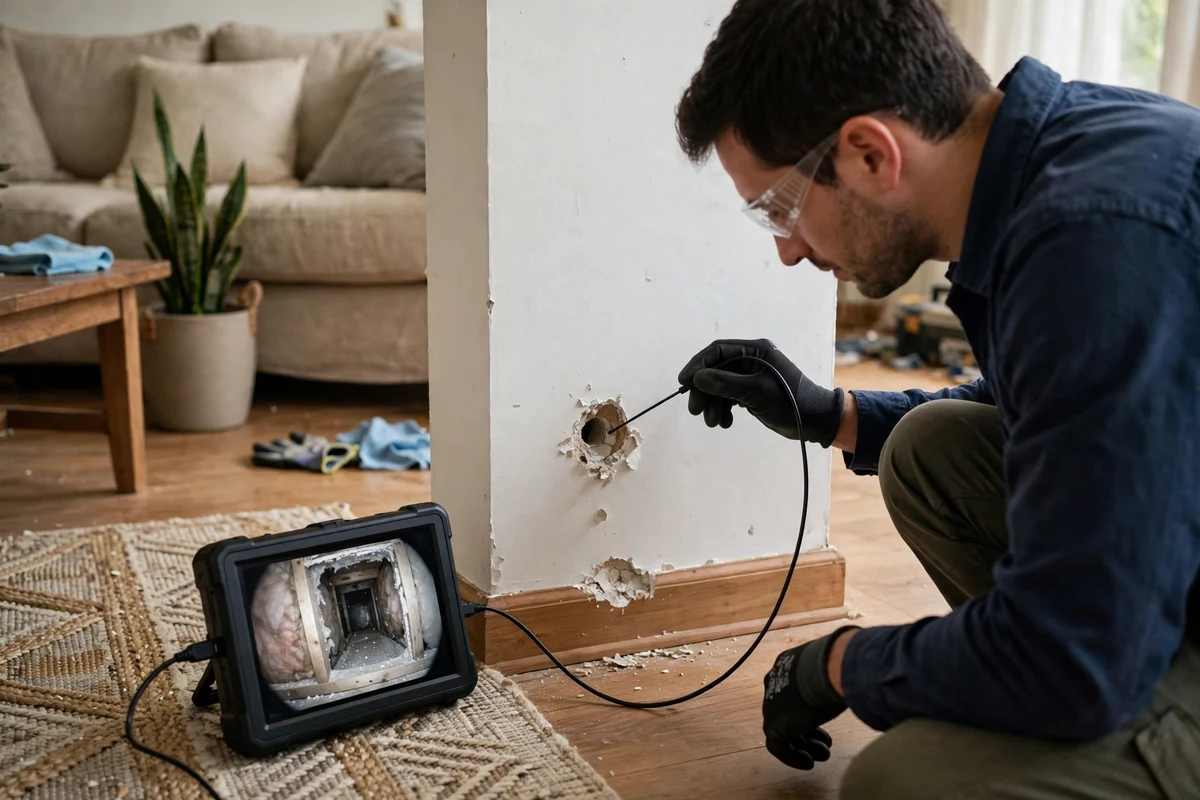
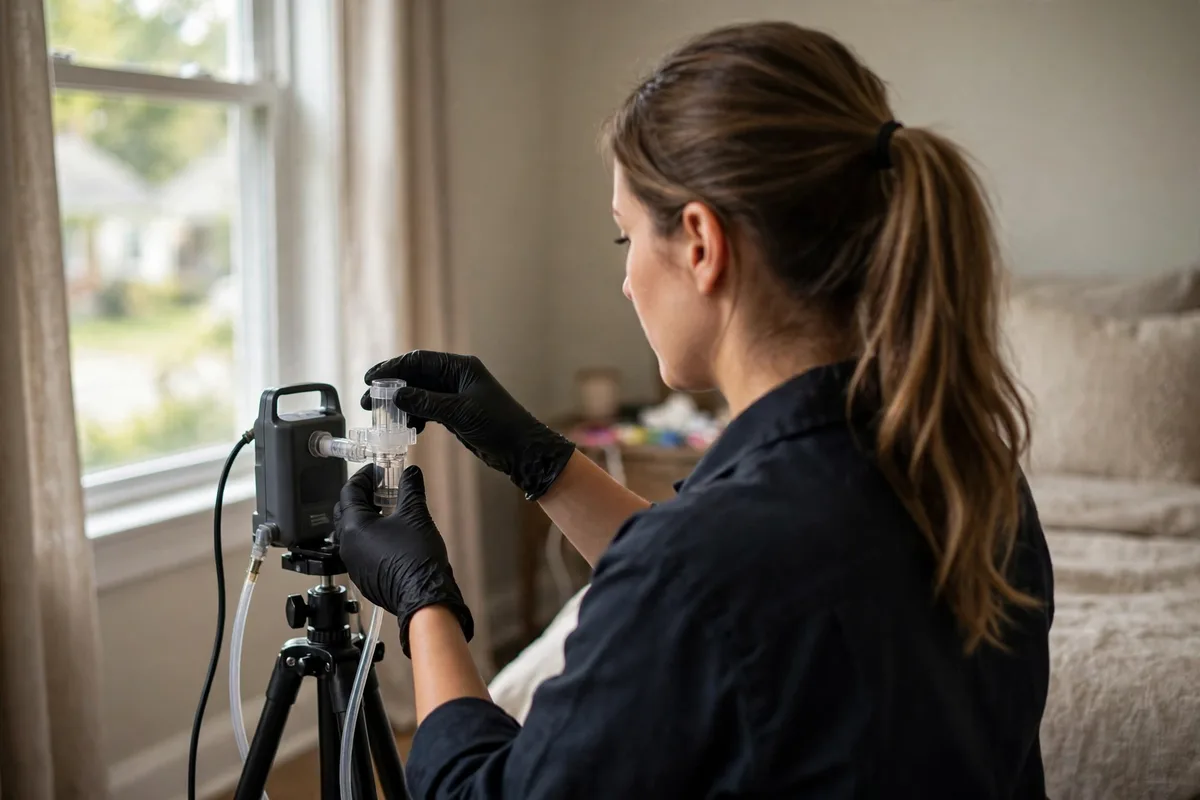
If you notice these symptoms, it may be time to conduct a Mold Inspection & Testing Newark NJ to identify the root cause.
Common indoor air quality issues in Newark
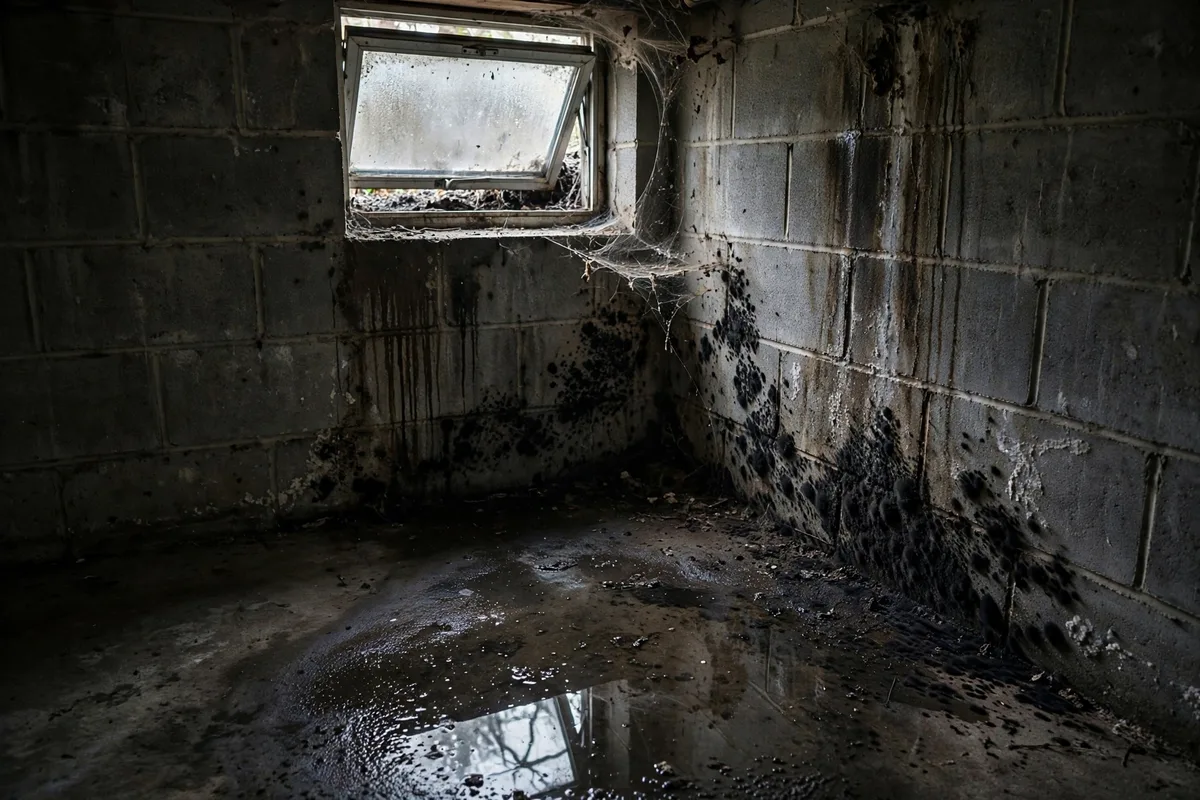
Indoor air quality issues in Newark are often exacerbated by humidity and poor ventilation. Homes with basements, especially in older neighborhoods, are prone to moisture buildup, leading to mold growth. Common issues include:
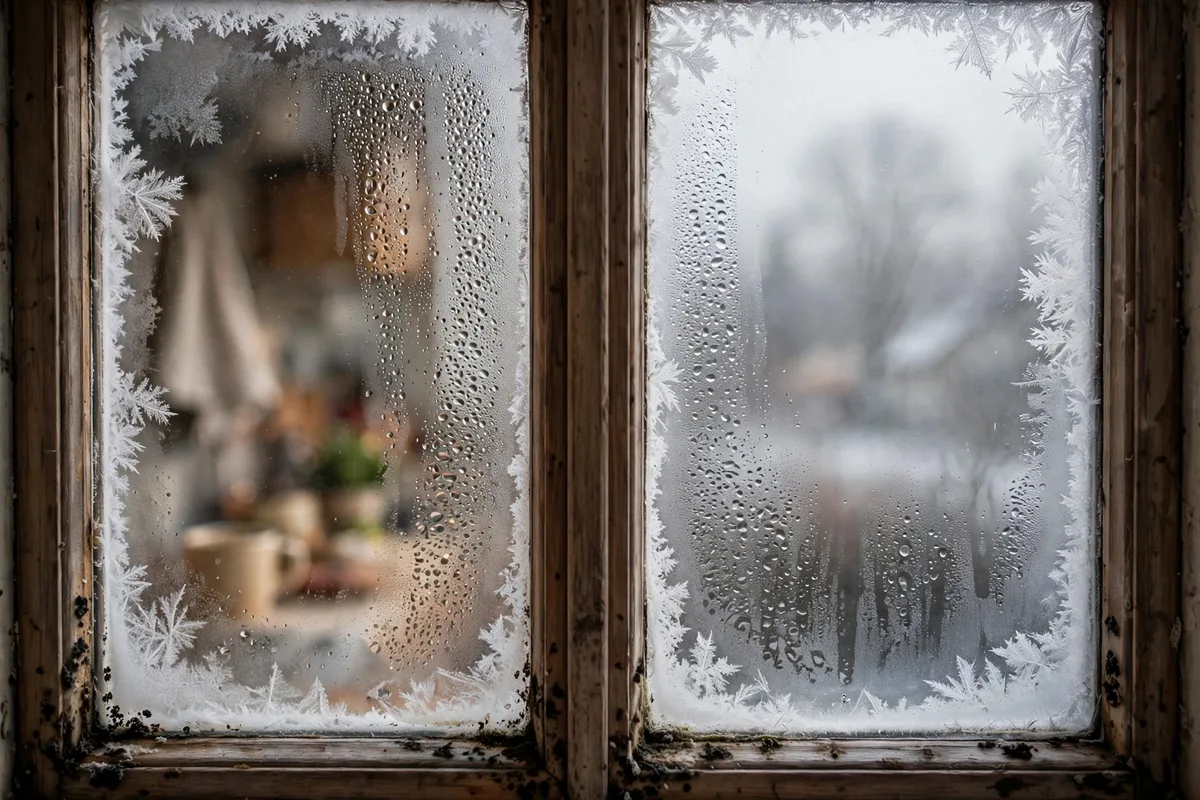
- High humidity levels, often above 60%
- Inadequate ventilation in bathrooms and kitchens
- Presence of dust and allergens
Improving ventilation and using dehumidifiers can significantly enhance air quality. Regular Air quality testing for mold Newark can help identify problems before they escalate.
What are the health risks of mold exposure in Newark?
The health risks of mold exposure in Newark can vary based on individual sensitivity. Common health effects include:
- Allergic reactions, such as sneezing and itchy eyes
- Asthma attacks in individuals with asthma
- More severe reactions in immunocompromised individuals
In severe cases, mold exposure can lead to respiratory infections or chronic lung conditions. It's important to address mold issues promptly to prevent these serious health risks.
Improving indoor air quality in homes Newark NJ
Improving indoor air quality in homes in Newark involves several proactive steps:
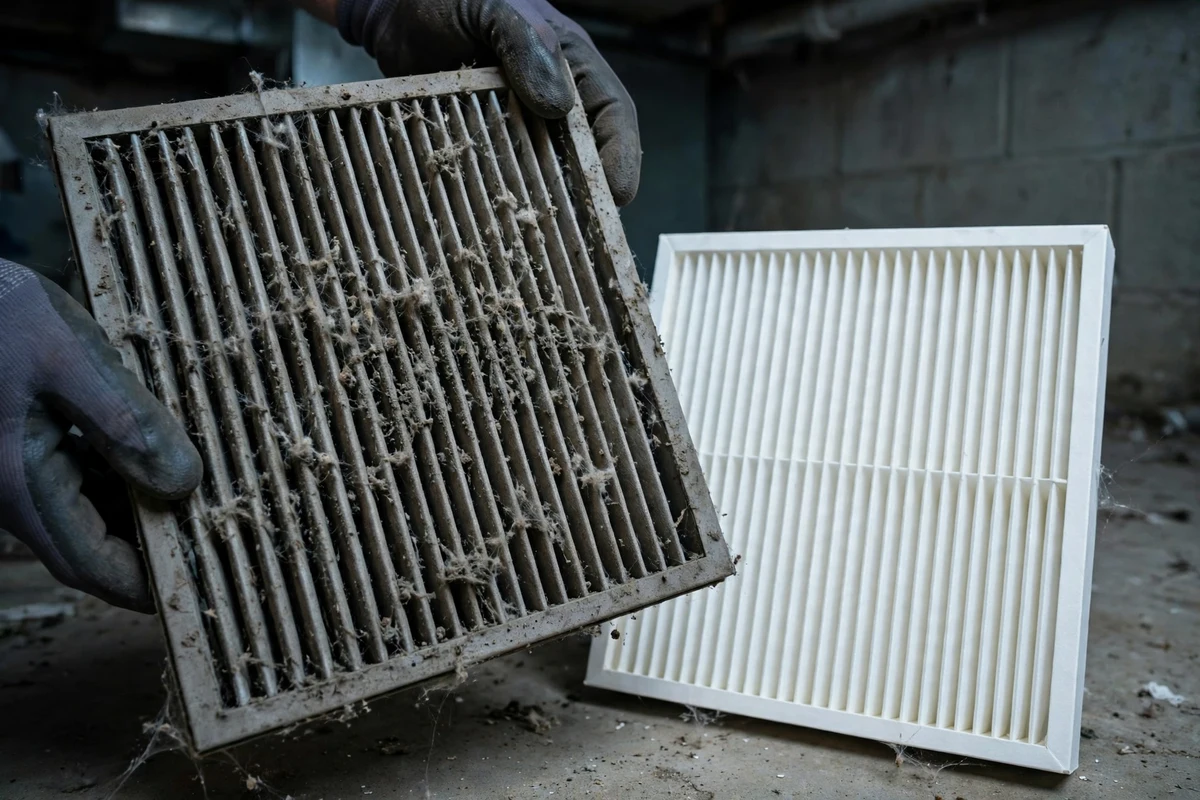
- Regularly inspect and clean HVAC systems
- Use air purifiers with HEPA filters
- Maintain humidity levels between 30-50%
Implementing these strategies can help reduce mold growth and improve overall air quality. Consider hiring professionals for Moisture Control & Dehumidification Newark NJ to manage humidity effectively.
Common mistakes to avoid
Many homeowners make mistakes that can worsen mold problems:
- Ignoring early signs of mold growth
- Failing to address leaks or water damage promptly
- Neglecting regular maintenance of ventilation systems
Addressing these issues early can prevent larger problems and costly remediation.
When Mold Toxicity Means Getting Professional Help
Calling a professional is essential when you suspect mold toxicity or have visible mold growth. Elite Mold Experts can provide complete mold inspections and remediation services tailored to your needs.
For homeowners in Clifton, Livingston, Verona, and Millburn, the city pages show how this looks locally.
Improving indoor air often means dealing with materials such as carpet, drywall, and insulation that hold spores, and the schedule for the work depends on which rooms are affected and how much cleaning is needed.