The Ultimate Guide to Crawl Space Encapsulation for NJ Homeowners
Crawl space encapsulation seals the crawl space to block moisture, mold, and pests and to improve home health and energy efficiency. The process installs a vapor barrier, seals vents, and insulates walls, which holds back moisture buildup and mold growth; Newark homeowners gain particular value from encapsulation, since regional humidity keeps unsealed crawl spaces damp through much of the year.
Crawl space encapsulation is a process that involves sealing the crawl space to prevent moisture, mold, and pests. This method is essential for homeowners in Newark, New Jersey, as it significantly improves home health and energy efficiency. This guide covers the benefits, processes, and tips for effective crawl space encapsulation, ensuring you've the necessary information to protect your home.
What is Crawl Space Encapsulation?
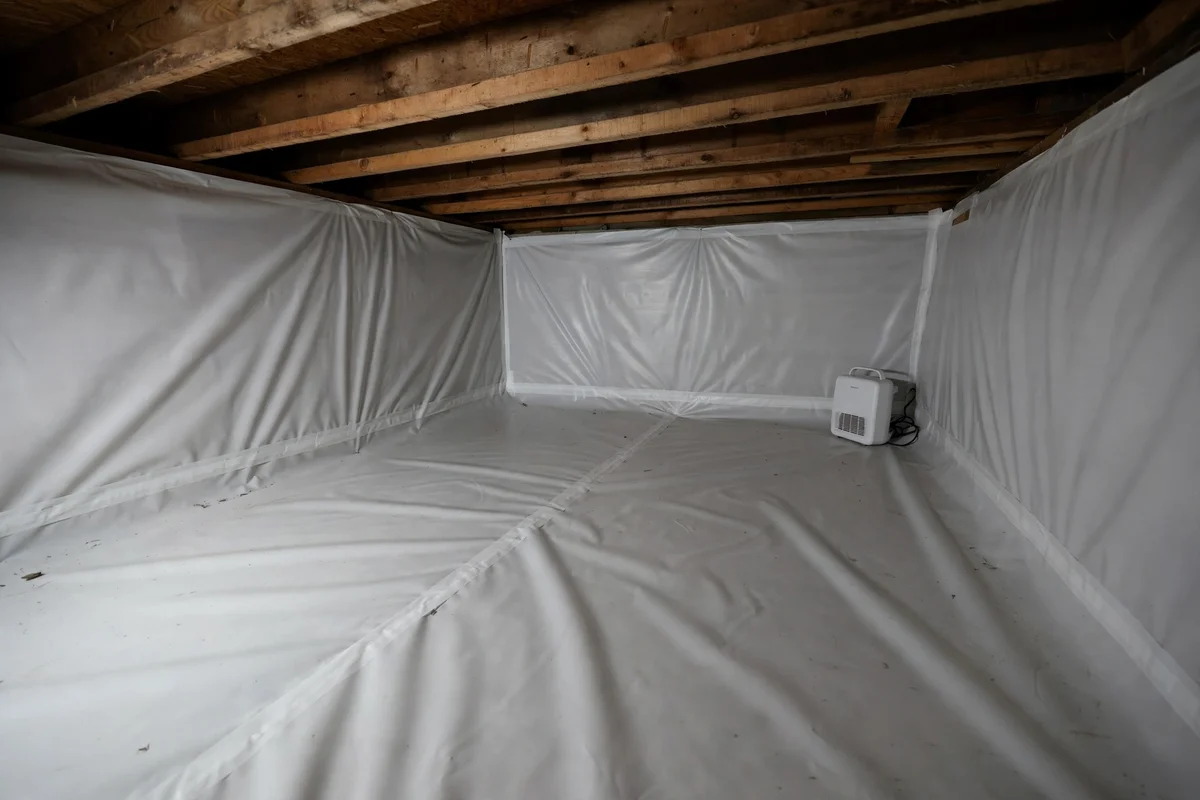
Crawl space encapsulation is a method used to seal and insulate the crawl space beneath a home. This process involves installing a vapor barrier, sealing vents, and insulating walls, which helps to prevent moisture buildup and the growth of mold and mildew. For Newark homeowners, understanding this concept is important, especially given the region's humidity levels.
Crawl Space Encapsulation Benefits for Newark NJ
There are several key benefits of crawl space encapsulation for homeowners in Newark:
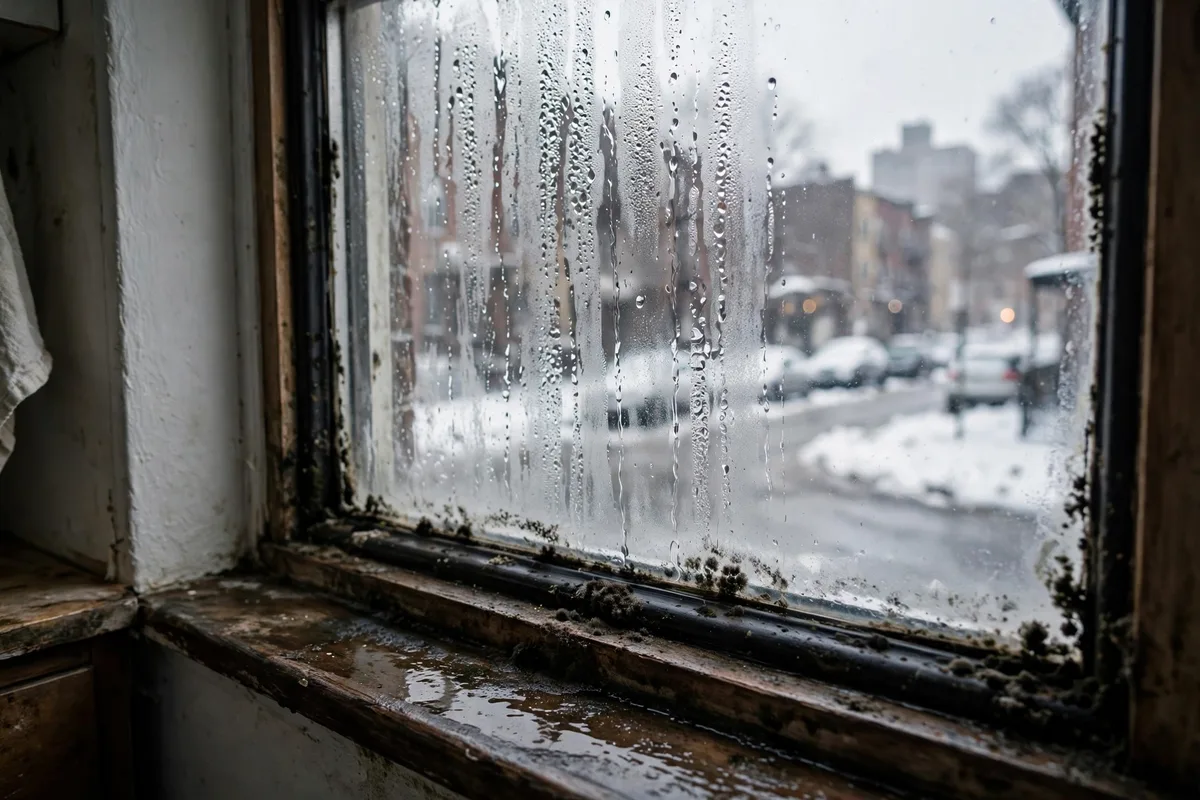
- Mold Prevention: By reducing humidity, encapsulation helps prevent mold growth, a common issue in Newark's damp climate.
- Improved Air Quality: Sealing the crawl space can improve indoor air quality by preventing mold spores and allergens from entering the living space.
- Energy Efficiency: A sealed crawl space can reduce energy costs by improving the overall insulation of your home.
- Pest Control: Encapsulation can deter pests such as rodents and insects from entering your crawl space.
Crawl Space Encapsulation Process in Newark NJ
The crawl space encapsulation process typically involves several steps:
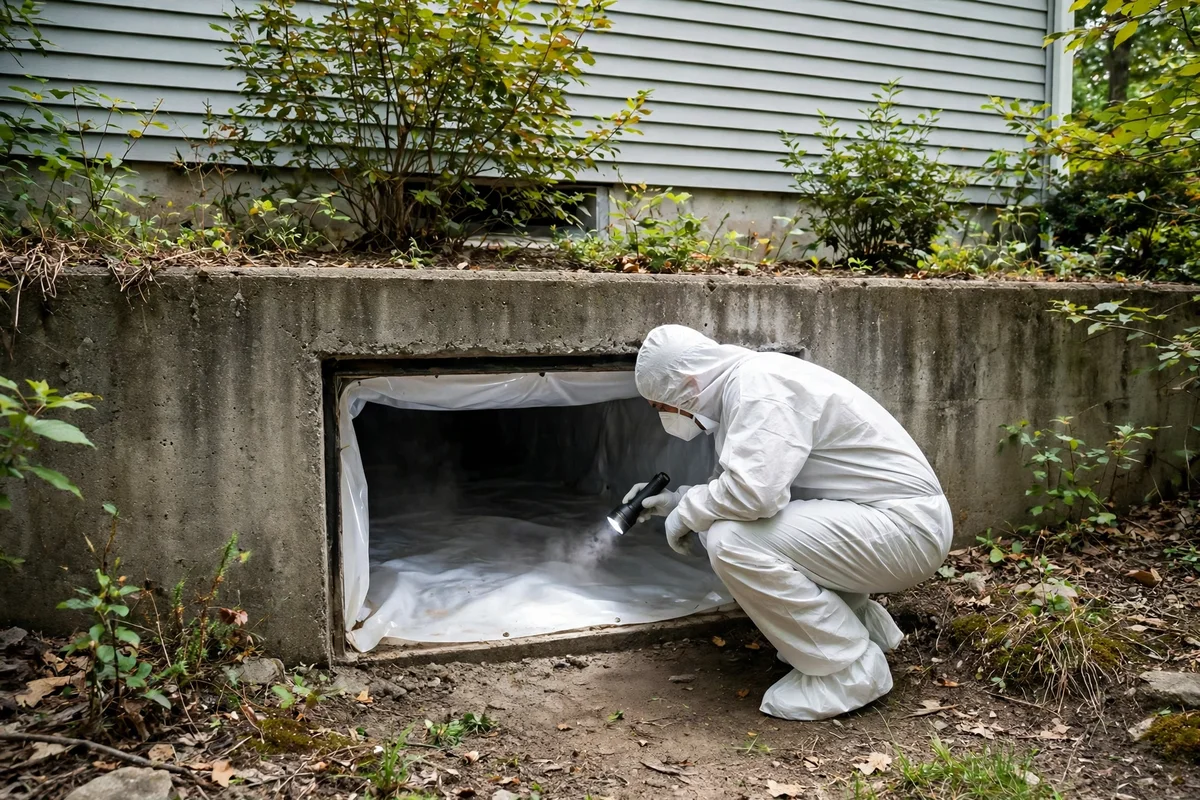
- Inspection: A thorough inspection of the crawl space to identify existing moisture issues and mold.
- Cleaning: Removing debris, insulation, and any existing mold.
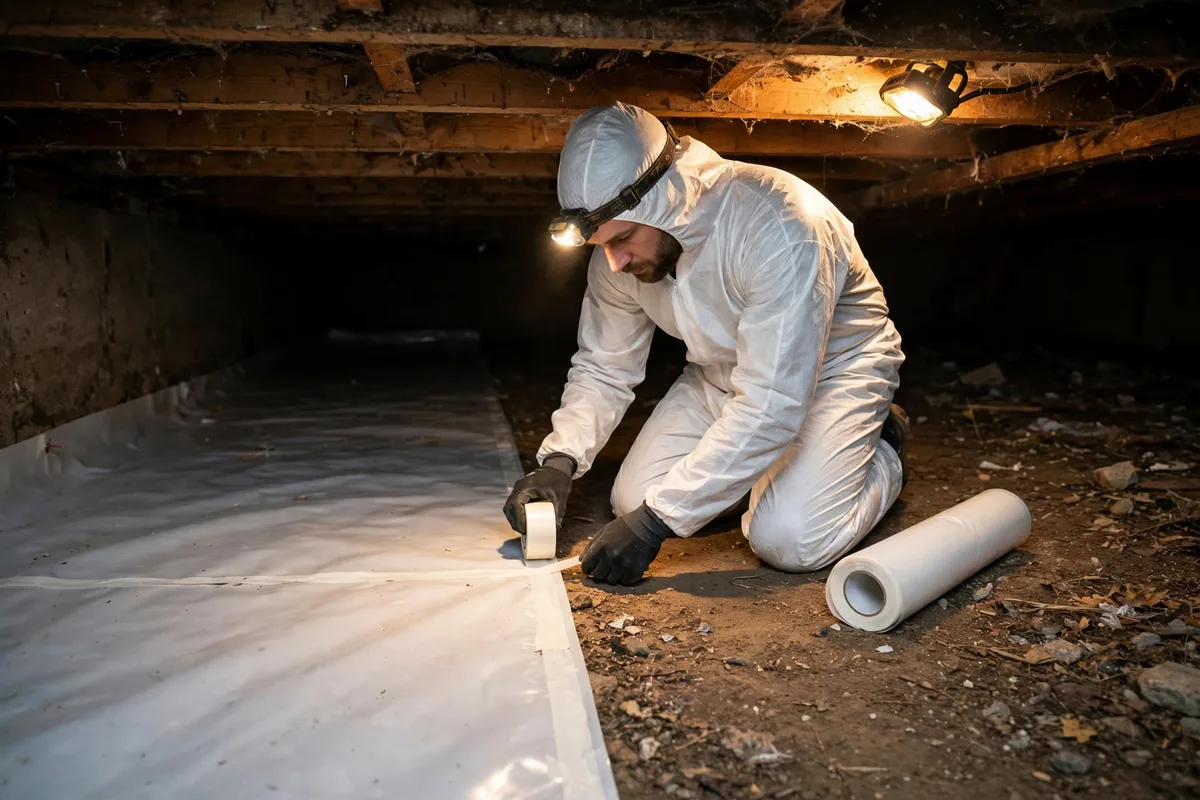
- Vapor Barrier Installation: Installing a high-quality vapor barrier on the ground and walls to prevent moisture from entering.
- Sealing Vents: Sealing off vents to prevent outside air from entering the crawl space.
- Insulation: Adding insulation to the walls to maintain a consistent temperature.
- Final Inspection: Conducting a final inspection to ensure the encapsulation was done correctly.
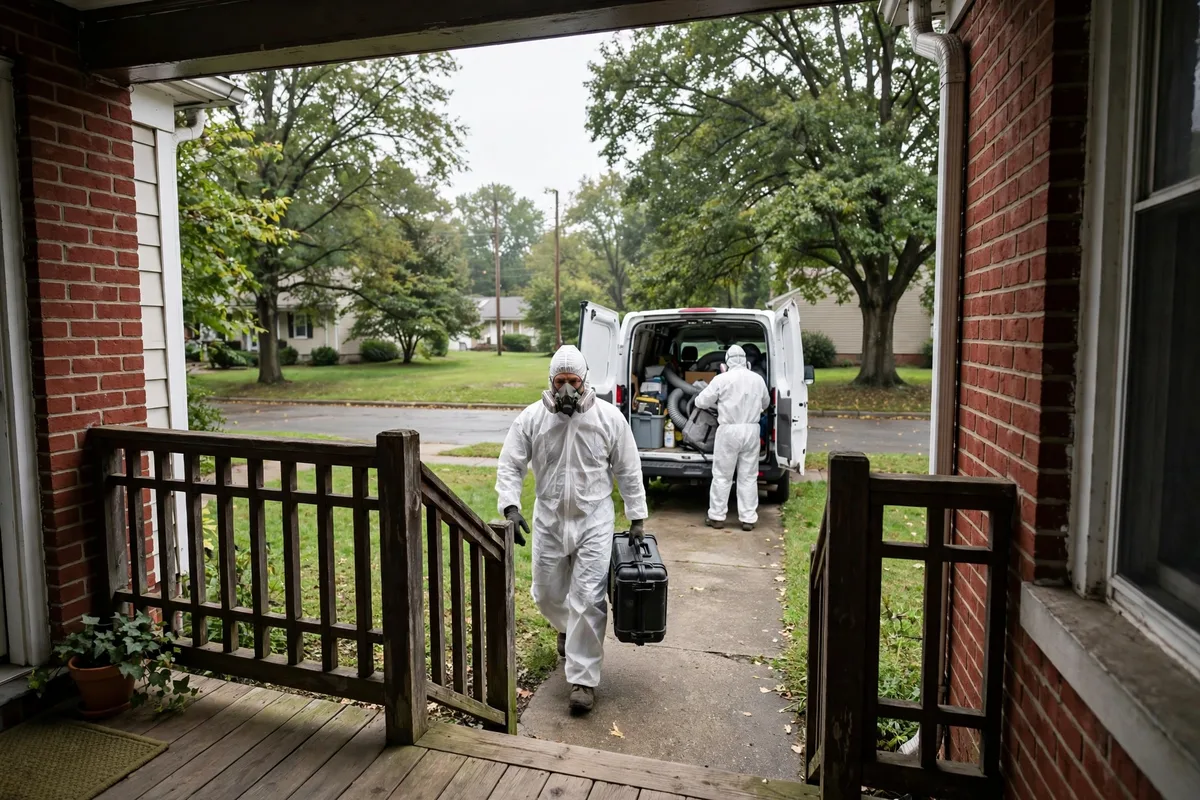
For a successful encapsulation, consider hiring professionals who specialize in Crawl Space Encapsulation Newark NJ to ensure the job is done correctly.
Crawl Space Encapsulation Tips Newark NJ
Here are some tips for effective crawl space encapsulation:
- Always start with a complete inspection to identify any existing mold or moisture issues.
- Use a high-quality vapor barrier that's at least 6 mil thick for durability.
- Seal all seams and penetrations in the vapor barrier to ensure complete coverage.
- Consider installing a dehumidifier to maintain optimal humidity levels.
- Regularly inspect the crawl space for signs of moisture or pest activity.
Many homeowners in Newark find these Crawl Space sealing for basements Newark tips useful for maintaining a healthy home environment.
Common Mistakes in Crawl Space Encapsulation
When encapsulating a crawl space, homeowners should avoid these common mistakes:
- Neglecting to address existing mold before encapsulation.
- Using low-quality materials that don't provide adequate moisture protection.
- Failing to seal all gaps and seams in the vapor barrier.
- Overlooking the importance of ventilation in maintaining air quality.
When Crawl Space Mold Needs More Than a Look
If you encounter significant mold issues or structural damage in your crawl space, it's time to call a professional. Elite Mold Experts can provide expert assistance with crawl space encapsulation and mold remediation. Their experience ensures that your home remains safe and healthy.
Hillside, Irvington, and East Orange homeowners run into the same crawl space damp, and each town page describes the housing and weather patterns behind it.